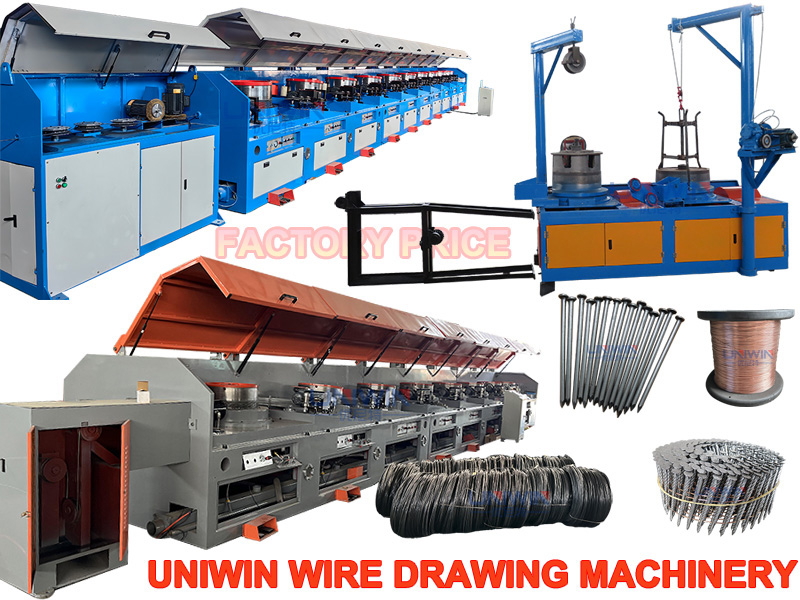
Why Wire Drawing Lubrication Matters
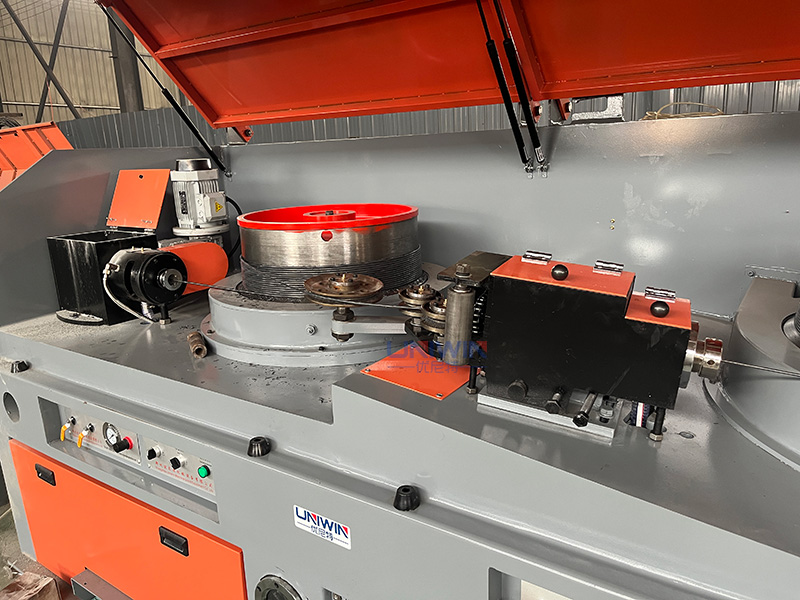
In the metal wires production process, wire drawing lubrication is a seemingly simple yet crucial step. As drawing speeds increase and wire precision improves, problems such as friction, heat generation, and die wear become more important. Without effective lubrication, issues can easily occur, such as wire breakage, surface scratches, and die wear.
This article will briefly introduce the definition and types of wire drawing lubrication and its applications in different equipment, helping manufacturers understand how to improve production efficiency and product quality through lubrication.
What is Wire Drawing Lubrication?
Wire drawing lubrication refers to the use of specialized lubricants to reduce friction and heat during the wire drawing process. Proper wire drawing lubrication provides several critical benefits:
- Reduce die wear and extend die lifespan
- Control drawing temperature and prevent wire breakage
- Enhance wire surface quality and reduce defects such as scratches and blackening
- Enables smoother, more reliable wire production
Whether it’s large-diameter steel wire or high-precision fine wire, wire drawing lubrication is a crucial and indispensable process element.
Types and Applications of Lubricants in Wire Drawing Lubrication
Dry Lubricants
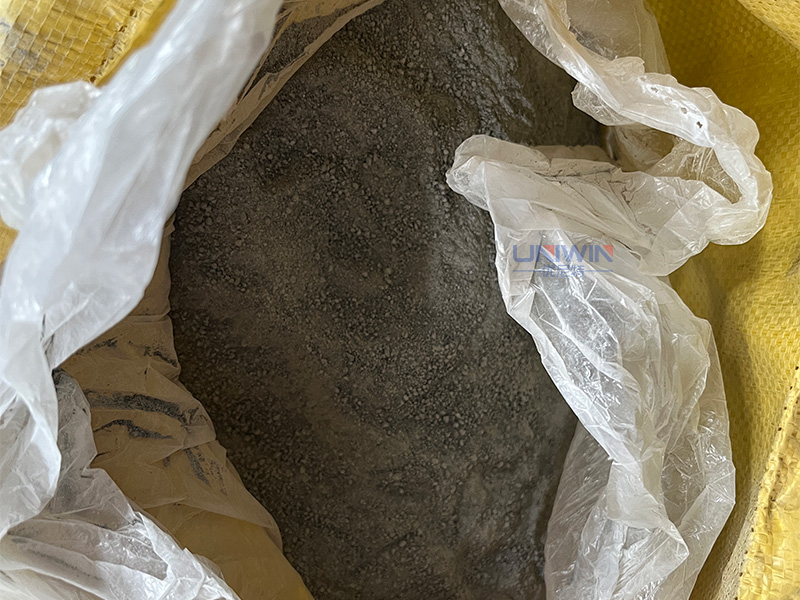
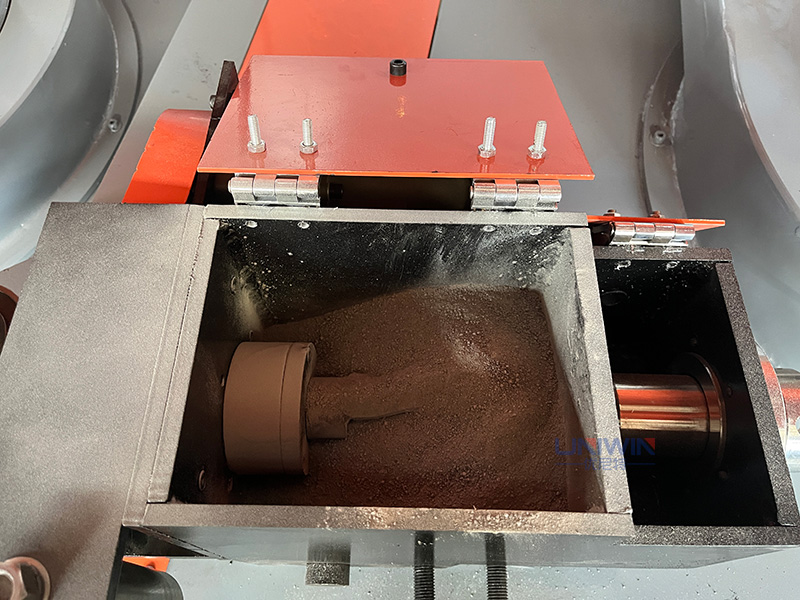
Dry lubricants are powder-based materials such as calcium or sodium soaps. In straight line wire drawing machines, the wire passes through a lubrication box before entering dies, and the lubricant powder automatically adheres to the surface, forming a lubricating film.
✅ Suitable for carbon steel, spring steel, and large-diameter wire, such as nail wire and construction wire.
Wet Lubricants
Wet lubricants are Water-based emulsions or water-soluble oils used in water tank wire drawing machines. The wire is fully immersed in the lubricant throughout the drawing process, ensuring effective cooling and lubrication.
✅ Suitable for small-diameter wires with high surface requirements, such as copper wire, stainless steel wire, and aluminum wire, including welding wire and cable wire.
Lubrication Methods by Machine Type
Wire drawing lubrication methods should match the equipment used:
- Straight line wire drawing machines typically use dry lubrication (wire drawing powder), suitable for processing coarse-gauge wires such as low-carbon steel and high-carbon steel.
- Water tank wire drawing machines rely on wet lubrication. These are best suited for smaller, precision wires that require smooth surfaces and enhanced cooling.
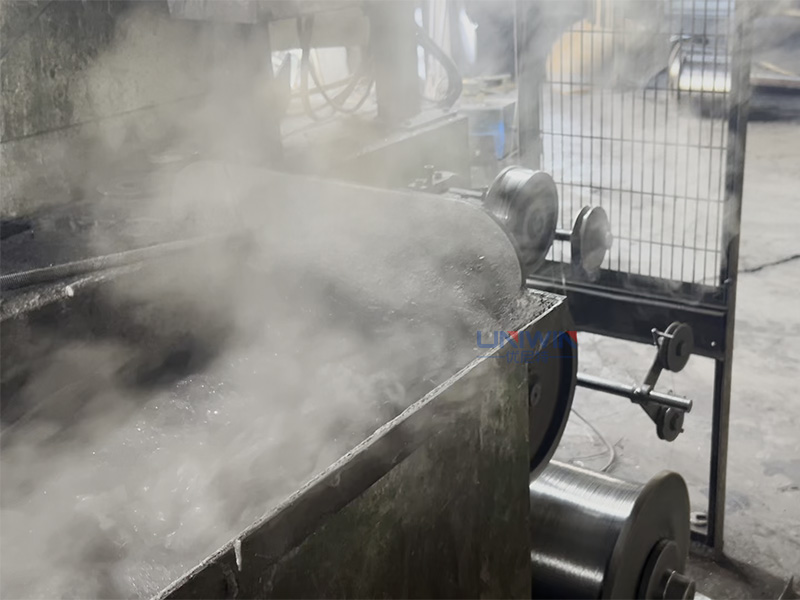
Whether using a dry lubrication straight-line wire drawing machine or a wet lubrication water tank wire drawing machine, companies should scientifically select lubricants and properly maintain the lubrication system according to the wire material and process requirements.
Good lubrication leads to longer die life, fewer equipment failures, and higher product quality.
? Need Help?
At UNIWIN, we not only supply high-performance wire drawing machines but also help our clients choose the right lubrication solutions for their specific needs. Contact us for technical support or customization advice.